Botanicals & Science
Ayurveda and TCM, plus real science. No mystery, no fluff.
Ingredient Philosophy
We mix Indian and Chinese herbal traditions with a no-BS approach. Every ingredient is there for a reason—tradition and evidence.
Old wisdom, today's standards. Transparent. Quality you can see on the label.
Every drink:
- Clear labeling - every ingredient listed
- Low sugar - less than 5g per serving
- Caffeine-free - safe for evening consumption
- Sparkling drink - gentle on the system
- Structure/function focus - no miracle cures, no extreme claims
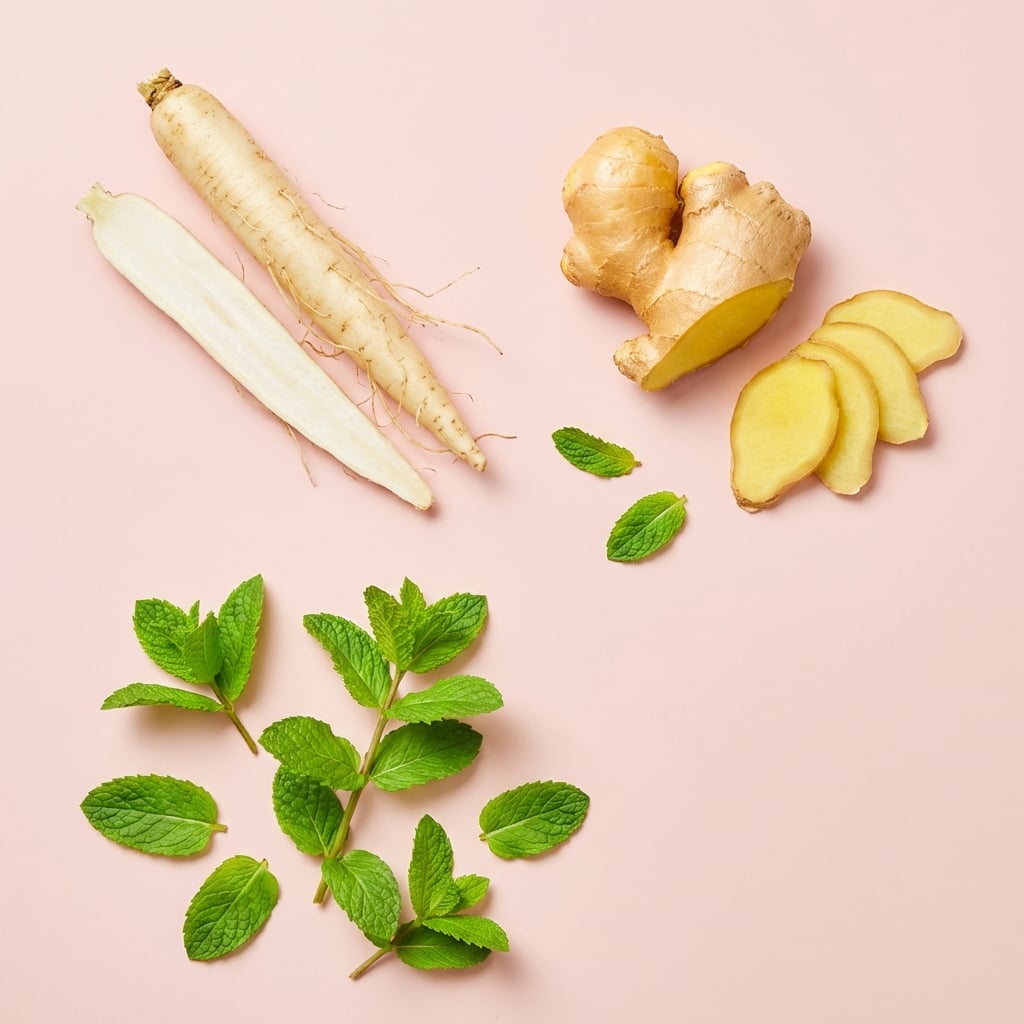
Key Botanicals
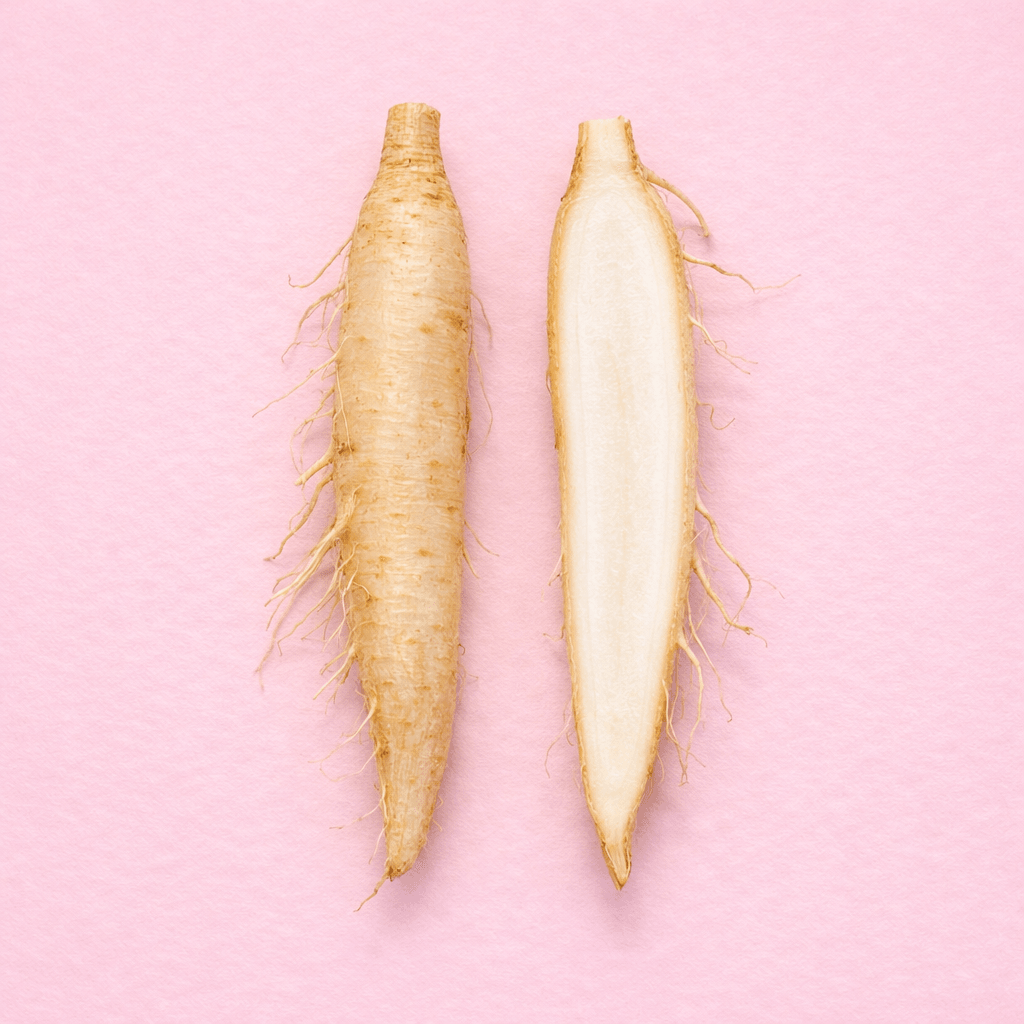
Shatavari
Often used in women's wellness traditions to support reproductive balance and nourishment.
Traditional Use
In Ayurveda, Shatavari is classified as a "Rasayana" (rejuvenative) specifically for the female reproductive system. It is traditionally brewed in milk to build "Ojas" (vitality) and nourish the "Shukra Dhatu" (reproductive tissue) when it is depleted by stress.
Scientific Research
Modern studies classify Shatavari as a powerful adaptogen. Research suggests it helps the body regulate the Hypothalamic-Pituitary-Adrenal (HPA) axis, preventing cortisol spikes from disrupting ovulation and hormonal rhythm.
Hormonal Health Benefits
- •Increases stress resilience (lowers cortisol).
- •Combats vaginal dryness and depletion.
- •Supports healthy libido and reproductive vitality.
Chrysanthemum
Used in Chinese herbal traditions as a cooling, soothing flower for the eyes and head.
Traditional Use
In Traditional Chinese Medicine (TCM), the Liver meridian governs the menstrual cycle. Chrysanthemum (*Ju Hua*) is the primary herb used to "Clear Liver Heat"—the energetic state responsible for PMS irritability, red eyes, and tension headaches.
Scientific Research
Rich in flavonoids and volatile oils, Chrysanthemum has been studied for its anti-inflammatory properties and its ability to act as a nervine, calming the autonomic nervous system to reduce perceived heat and stress.
Hormonal Health Benefits
- •Soothes PMS irritability and "heat".
- •Supports temperature regulation (hot flashes).
- •Reduces tension headaches associated with cycles.
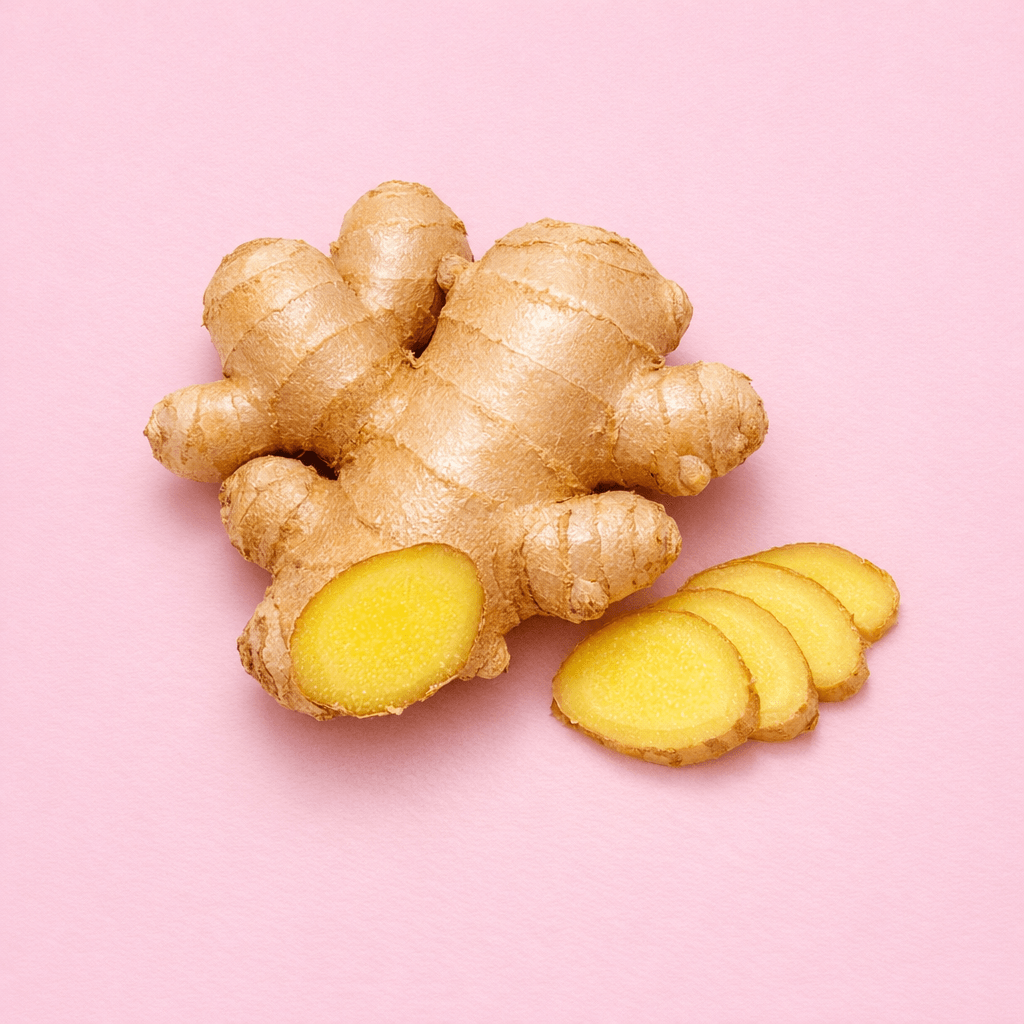
Ginger
A warming root used across Ayurveda and Traditional Chinese Medicine for digestive comfort and circulation.
Traditional Use
A dual-power herb. In TCM, dried Ginger (*Gan Jiang*) is essential for "Warming the Uterus" to dispel the Cold that causes sharp menstrual cramps. In Ayurveda, it kindles "Agni" (digestive fire) to burn up the toxins that cause pre-period bloating.
Scientific Research
Clinical trials have compared Ginger favorably to NSAIDs for menstrual pain relief. It works by inhibiting the production of prostaglandins—the inflammatory chemicals that trigger uterine contractions and cramps.
Hormonal Health Benefits
- •Relieves menstrual cramping (dysmenorrhea).
- •Banishes hormonal bloating and water retention.
- •Supports healthy blood flow to the reproductive organs.
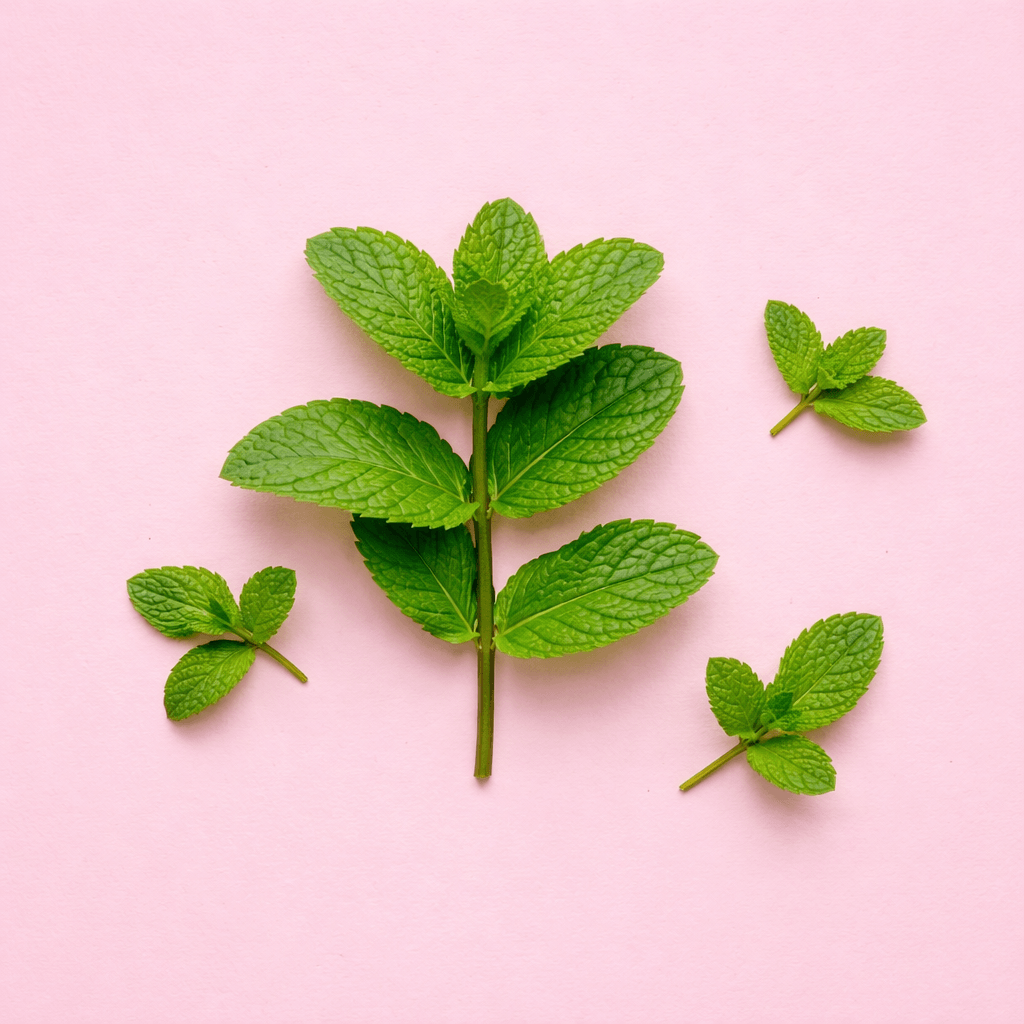
Spearmint
A gentle, refreshing herb traditionally used to support digestive comfort and promote a sense of calm.
Traditional Use
Known as *Bo He* in TCM, Spearmint is acrid and cooling. It is famously used to "Course the Liver Qi"—meaning it breaks up the emotional stagnation and chest tightness that often hits a week before menstruation.
Scientific Research
This is the game-changer for PCOS. Randomized controlled trials have shown that drinking Spearmint tea twice daily can significantly reduce free testosterone levels in women, helping to clear hormonal acne and reduce hirsutism.
Hormonal Health Benefits
- •Lowers excess androgens (testosterone).
- •Clears hormonal acne from the inside out.
- •Relieves PMS chest tenderness and mood stagnation.
What We Don't Do
- No aggressive stimulant stacks
- No heavy sugar loads
- No hidden proprietary blends
- No disease claims